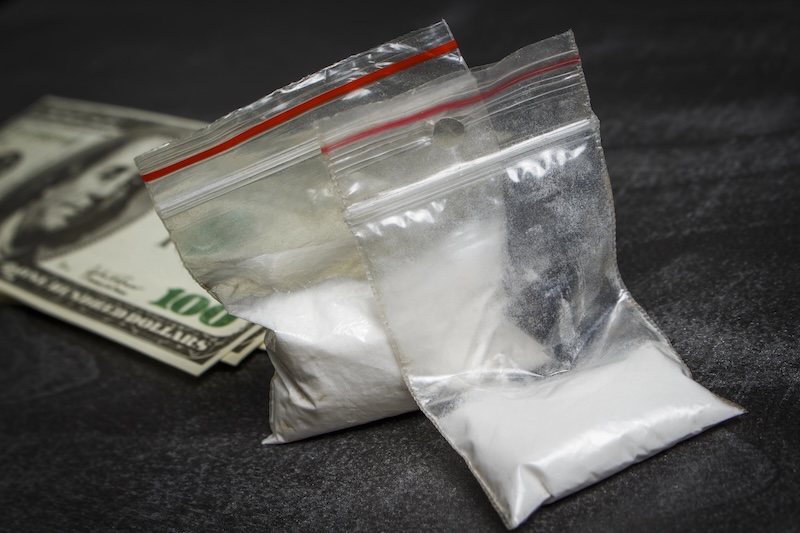
Common Felony Drug Charges Filed in Blount County
Felony drug offenses can arise in many different situations, and charges are often elevated based on the type of substance, quantity involved, or surrounding circumstances. Common felony drug charges include:
- Possession of controlled substances above statutory thresholds
- Possession with intent to sell or distribute
- Drug manufacturing or cultivation allegations
- Drug trafficking or transportation charges
- Prescription drug fraud or diversion
- Drug offenses occurring in protected or enhanced penalty zones
Even individuals with no prior criminal history can face felony charges depending on how the case is classified. Understanding the exact charge and potential penalties is the first step toward building a strong defense.
How Felony Drug Investigations Are Conducted
Felony drug cases often begin with traffic stops, searches of vehicles or homes, surveillance operations, or information provided by confidential informants. Law enforcement may rely on search warrants, officer observations, or seized evidence to support the charges.
These investigations must follow strict constitutional and procedural rules. If officers violated your rights during a stop, search, seizure, or interrogation, the evidence obtained may be challenged. A detailed review of how the investigation unfolded is essential to identifying potential weaknesses in the prosecution’s case.
Challenging Unlawful Searches and Seized Evidence
One of the most effective defenses in felony drug cases involves challenging the legality of the search. The Fourth Amendment protects individuals from unreasonable searches and seizures, yet violations occur more often than many realize.
If law enforcement lacked probable cause, relied on a defective warrant, exceeded the scope of a search, or conducted an unlawful traffic stop, your attorney may seek to suppress the evidence. Without that evidence, the prosecution’s case may be significantly weakened or dismissed altogether.
Intent, Knowledge, and Possession Disputes
Felony drug charges frequently hinge on whether prosecutors can prove intent or knowledge. Possession alone does not always establish intent to distribute, yet factors such as packaging, cash, location, or alleged statements are often used to elevate charges.
A strong defense may argue lack of knowledge, lack of control over the substance, shared access to property, or absence of intent to sell or distribute. These factual disputes are often central to reducing charges or undermining the state’s case.
Penalties and Collateral Consequences of Felony Drug Convictions
Felony drug convictions can result in harsh penalties, including incarceration, lengthy probation, mandatory treatment programs, asset forfeiture, and substantial fines. Sentencing often depends on the substance involved, quantity, and prior criminal history.
Beyond criminal penalties, a felony conviction can affect employment opportunities, professional licenses, housing eligibility, firearm rights, and educational opportunities. For non-citizens, drug convictions may also trigger serious immigration consequences.